19 Aug 2026
Player Retention Through Progressive Challenge Systems Linking Spins to Dealer Tables in Mobile Settings
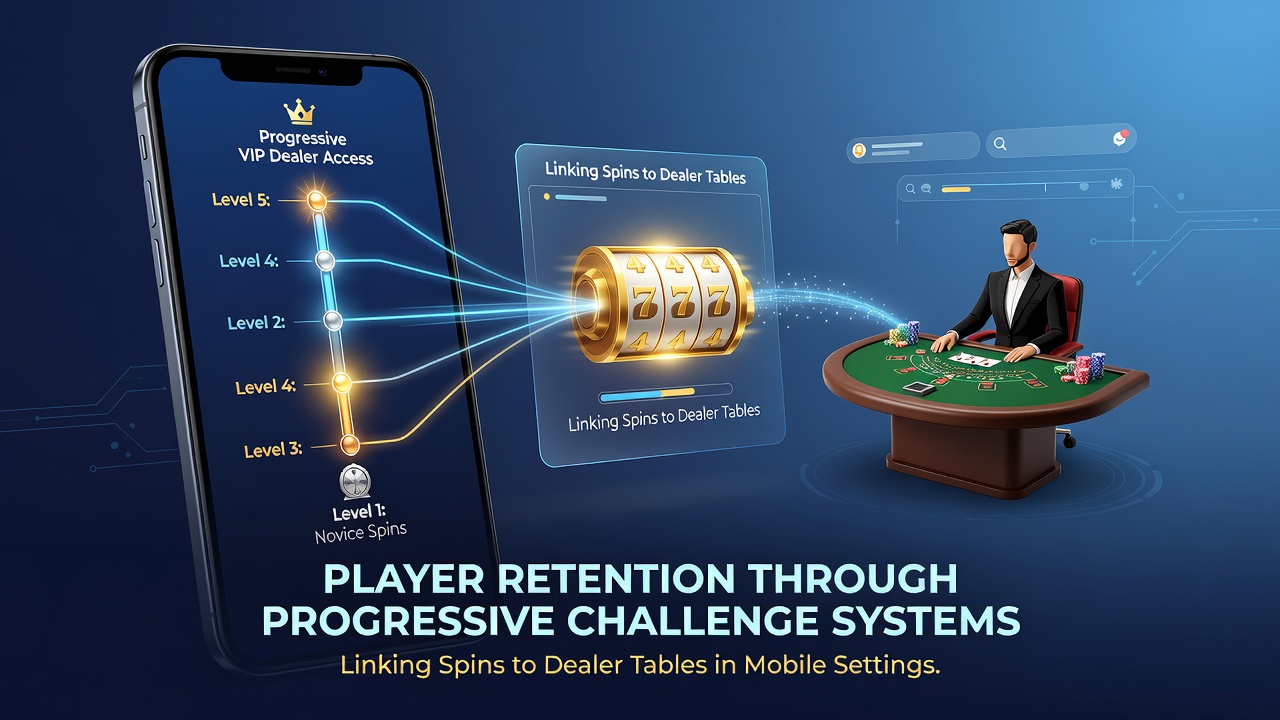
Progressive challenge systems have emerged as structured pathways that connect slot spins directly to live dealer table activities within mobile casino applications and these frameworks guide players through sequenced tasks that reward consistent engagement across both game types. Data from industry reports shows operators in various regions have integrated such systems to maintain user activity levels throughout 2026 with particular emphasis on seamless transitions between reel-based play and table interactions on handheld devices.
Mechanics of Progressive Challenges in Mobile Environments
These systems operate through tiered objectives where completing a set number of slot spins unlocks access to dealer table bonuses or entry points and players advance by meeting criteria such as spin volume thresholds combined with specific bet amounts while mobile apps track progress in real time via push notifications and in-app dashboards. Research from gaming technology providers indicates that this linkage encourages extended sessions because users who start with slots often continue into live dealer formats to claim accumulated rewards without switching applications or restarting progress trackers.
August 2026 saw several platform updates across European and North American markets that refined these challenge structures with improved synchronization between random number generators on slots and live stream feeds from dealer tables and observers note that such enhancements reduced loading delays which previously disrupted player flow during transitions. Mobile settings benefit particularly from these designs since touch interfaces allow quick navigation between game modes while maintaining session continuity through cloud-based progress storage.
Linking Spins to Dealer Tables for Sustained Engagement
Challenge frameworks typically begin with slot-focused tasks such as achieving consecutive wins or triggering bonus rounds then shift players toward dealer tables once milestones are reached and this progression creates a narrative arc within the app where each completed spin phase feeds directly into table game entry points like reduced commission blackjack or exclusive roulette variants. Figures from platform analytics reveal that users who participate in linked challenges demonstrate higher return rates compared to those engaging with isolated game categories because the system rewards cross-genre activity with escalating prize pools and priority access features.
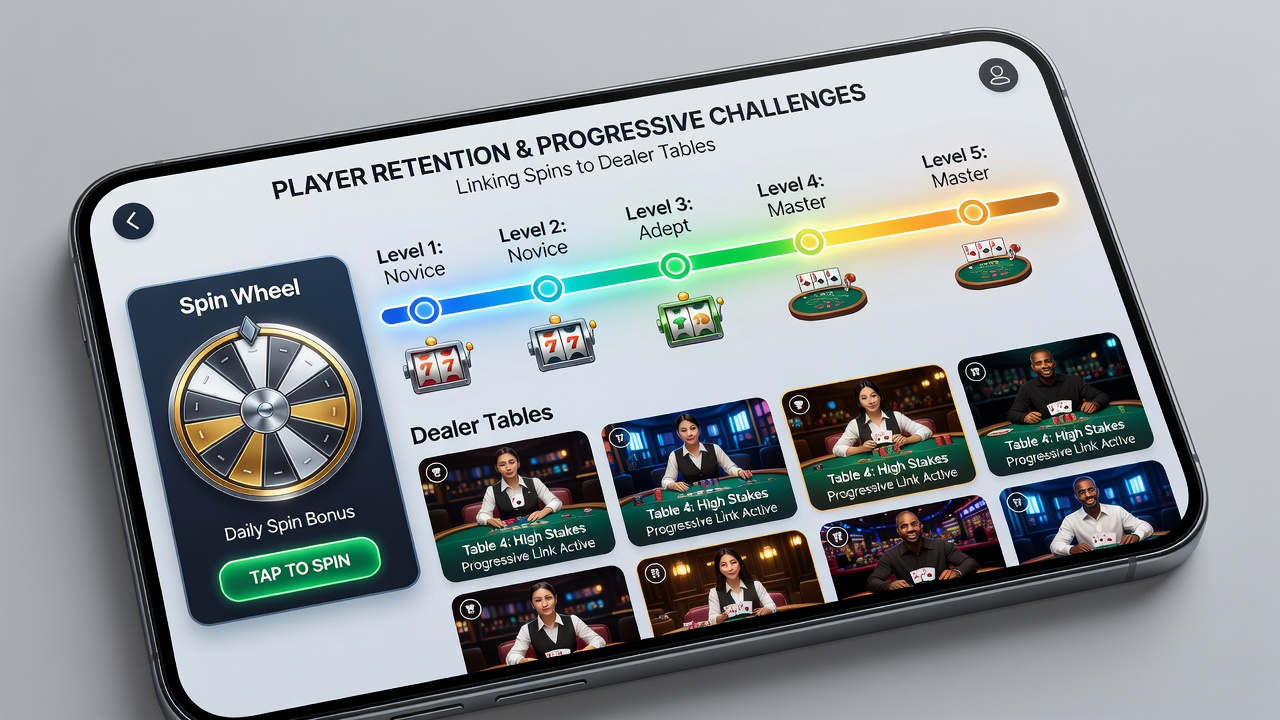
One documented implementation involved a tiered reward ladder where 50 slot spins granted initial dealer table credits and subsequent table wins multiplied slot-based multipliers available in the next cycle and this bidirectional connection kept participants cycling between formats rather than settling into single-game routines. According to a study published by the University of Las Vegas Gaming Research Center mobile users showed measurable increases in daily active time when such linkages were active and the research highlighted how challenge completion rates correlated with reduced session abandonment during peak evening hours.
Implementation Across Regions and Platforms
Operators in Australia and Canada have adopted similar progressive models with adaptations for local regulatory requirements and these adaptations include mandatory session time reminders integrated into challenge progress bars to align with responsible gaming standards. A report from the Australian Gambling Research Centre details how challenge systems that bridge spins and tables contributed to stabilized user retention metrics during the first half of 2026 despite broader market fluctuations and the findings point to mobile-specific optimizations like offline progress syncing as key factors in maintaining continuity for users in varied network conditions.
What's notable is the role of data analytics in refining these linkages since operators adjust challenge difficulty based on aggregate player behavior patterns collected from thousands of sessions and this iterative process allows systems to balance accessibility for new users with depth for experienced participants who seek advanced table strategy elements after slot phases. Industry groups such as the European Gaming and Betting Association have published guidelines encouraging transparent challenge rules that clearly display how spins convert to dealer table advantages and these recommendations aim to support consistent engagement without misleading reward expectations.
Technical Considerations in Mobile Delivery
Mobile applications employ application programming interfaces to synchronize spin outcomes with dealer table availability in real time and this technical backbone ensures that challenge progress updates instantly across devices when users switch from portrait slot views to landscape live dealer streams. Developers have incorporated gesture-based shortcuts that accelerate transitions between game types while preserving challenge state and such features prove especially useful during high-traffic periods when server loads increase.
August 2026 updates from multiple software providers introduced enhanced encryption protocols for challenge data transmission which addressed security concerns while preserving the fluid experience players expect in mobile settings and these improvements coincided with broader adoption of progressive systems among mid-tier casino operators seeking differentiation through integrated gameplay loops.
Conclusion
Progressive challenge systems that link slot spins to dealer tables represent an established approach to structuring player journeys in mobile casino environments and their continued refinement through regional adaptations and technical enhancements supports ongoing engagement patterns as documented in various industry and academic sources. The integration of these frameworks continues to evolve with platform capabilities and user behavior data guiding future adjustments across global markets.