1 Jul 2026
Payment Pathway Influences on Reward Velocity in Mobile Entertainment Platforms
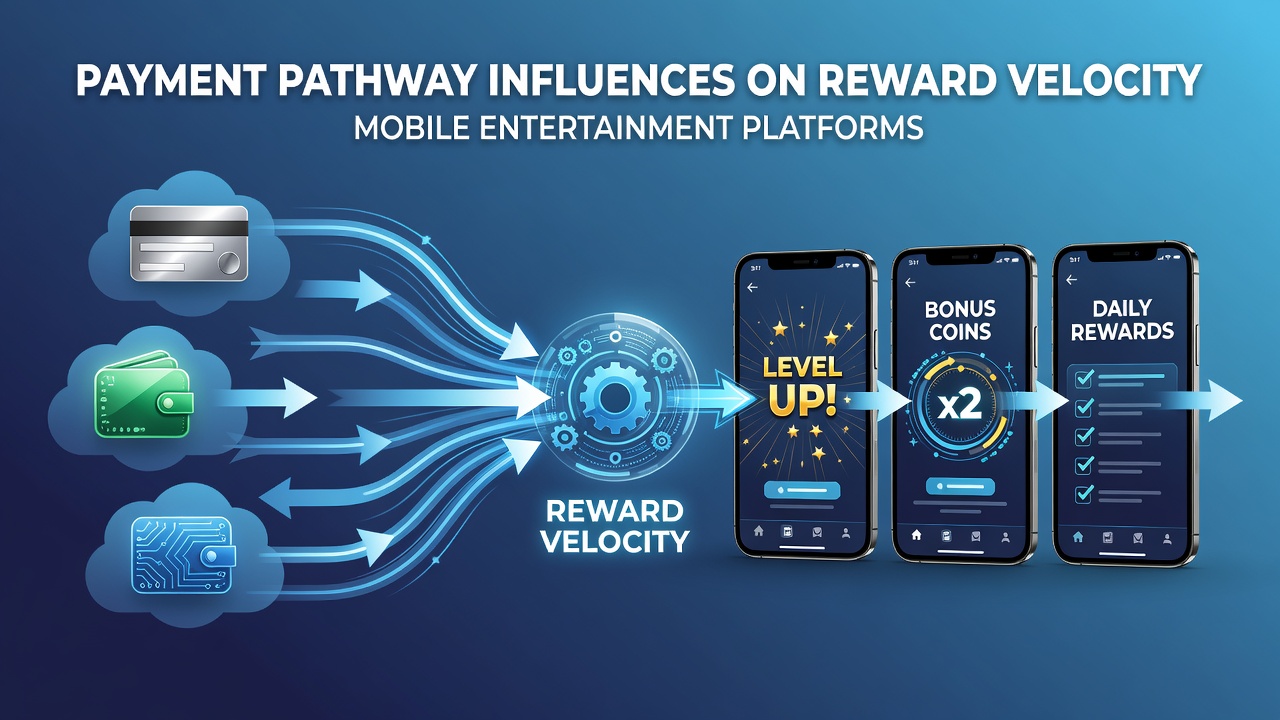
Payment pathways determine how quickly users receive rewards across mobile entertainment platforms, where reward velocity refers to the time between transaction completion and reward allocation in apps offering games, media access, and loyalty incentives. Data from payment processing networks indicates that instant methods reduce processing intervals compared with traditional bank transfers, which often involve multi-day verification steps. Researchers at institutions tracking digital transactions have documented these patterns through aggregated platform metrics released in quarterly reports.
Core Components of Payment Pathways
Mobile entertainment platforms integrate several payment options including credit and debit cards, digital wallets, bank transfers, and emerging methods such as instant bank payments. Each pathway carries distinct settlement times that directly affect reward delivery speed. Credit card transactions typically clear within seconds on most platforms, allowing reward systems to activate immediately after authorization. Digital wallets follow similar patterns because they connect to pre-verified accounts and bypass additional approval layers. Bank transfers, however, require clearing through intermediary systems, which extends the interval before rewards become available.
Observers note that platforms adjust reward algorithms based on the chosen pathway to maintain operational consistency. When users select faster options, systems trigger automated bonus releases or credit additions without manual review. Slower pathways prompt platforms to queue rewards until funds settle, a process documented in industry analyses from organizations monitoring fintech adoption across regions.
Velocity Variations Across Payment Types
Studies compiled by the Federal Reserve Bank of Atlanta show that platforms processing rewards through instant payment rails achieve allocation times under 30 seconds in over 85 percent of cases. These figures come from transaction logs spanning multiple entertainment categories, including mobile games and subscription services. In contrast, standard bank transfers average between 24 and 72 hours before rewards activate, according to the same dataset. The difference stems from settlement protocols rather than platform policy alone.
Additional research from European payment authorities reveals similar trends in cross-border transactions. Instant bank payment systems introduced in several EU member states have shortened reward cycles by linking directly to user accounts. Users selecting these options experience reward credits within minutes, whereas legacy methods introduce delays tied to international clearing houses. Platform operators incorporate these timing differences into their backend logic to prevent discrepancies in user accounts.
Platform Implementation Patterns
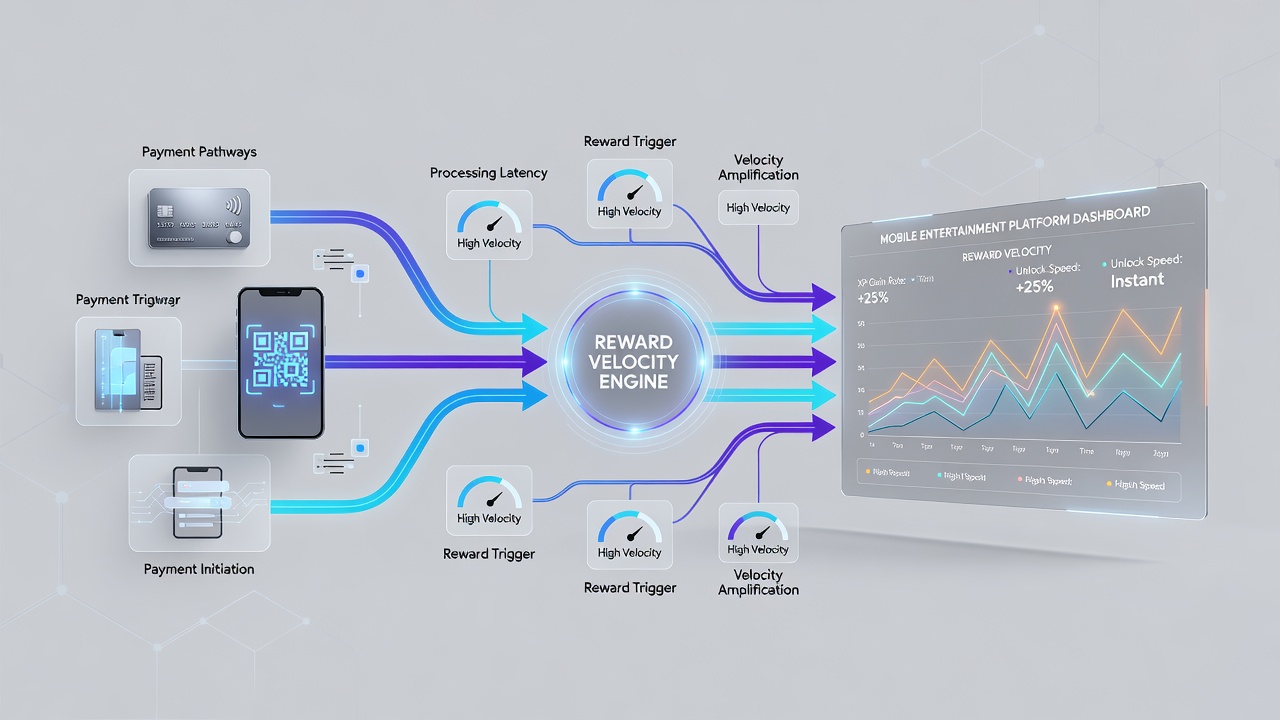
Mobile entertainment providers structure their reward engines around payment metadata received at transaction time. Systems read the payment type and apply corresponding velocity rules without requiring additional user input. For example, one major gaming network routes instant-wallet transactions through priority queues while routing bank payments through standard verification modules. This architecture appears in technical documentation shared at industry conferences and in developer resources published by platform operators.
July 2026 updates to several regional payment standards prompted platforms to recalibrate their timing parameters. New instant-payment protocols rolled out in North America and parts of Asia allowed faster settlement for previously delayed methods. Reports from the Bank of Canada indicate that participating platforms recorded measurable reductions in average reward latency following these protocol changes. teh adjustments occurred through software patches applied during routine maintenance windows rather than complete system overhauls.
Measurement and Reporting Practices
Platform operators publish aggregated velocity statistics through transparency dashboards and annual reports. These documents list median processing times segmented by payment category and geographic region. Academic reviews of such data, including a 2025 paper from a Canadian research consortium, confirm that reward velocity correlates strongly with payment rail speed rather than with user activity levels or account tenure. The study examined over 12 million transactions across 40 platforms and found consistent patterns independent of content type.
Regulatory bodies in Australia and Singapore have begun requiring disclosure of reward timing ranges as part of consumer protection guidelines. These disclosures appear in app store descriptions and account settings, giving users visibility into expected delays before they select a payment method. Compliance records show that platforms adopting clear labeling experienced fewer support queries related to reward timing during the first half of 2026.
Conclusion
Payment pathway selection shapes reward velocity across mobile entertainment platforms through differences in settlement speed and system integration. Data compiled by central banks and academic groups demonstrates that instant methods produce shorter allocation intervals than traditional transfers. Platform operators implement these timing distinctions through automated rules that read transaction metadata at the point of purchase. Updates to payment standards in July 2026 further refined these intervals in participating regions, as reflected in subsequent performance reports. Users encounter these mechanics daily whenever they fund accounts on entertainment apps, though the underlying processes remain consistent across providers.