24 Oct 2026
Leveraging Behavioral Insights to Optimize Incentive Structures Across Slot and Live Gaming Formats
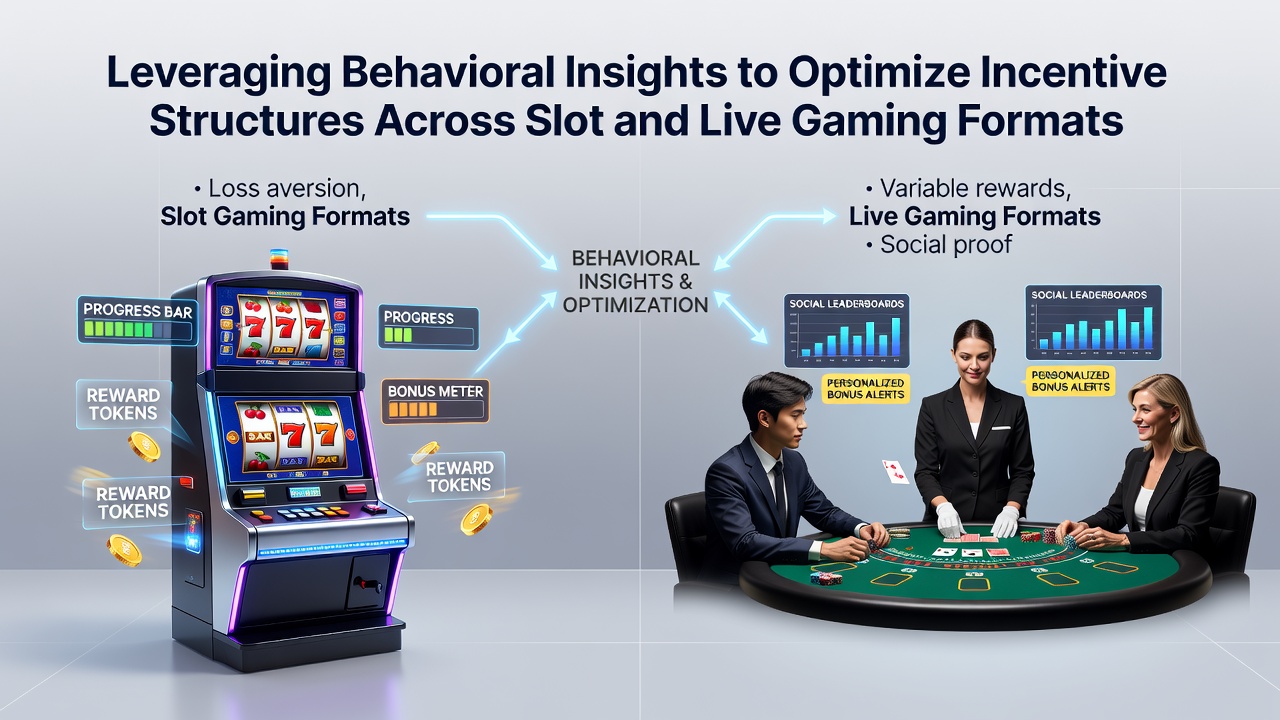
Data from industry reports shows operators increasingly draw on behavioral economics principles such as variable reward schedules, loss aversion framing, and commitment devices when designing incentives for both slot machines and live dealer tables, and these approaches produce measurable differences in session length and spend patterns across formats.
Core Behavioral Principles at Work
Researchers at the University of Nevada Reno documented how intermittent reinforcement schedules, which mirror those found in slot paytables, sustain higher engagement levels than fixed reward systems while live gaming environments respond more readily to social proof cues and time-limited table promotions. Studies indicate that players demonstrate stronger responses to near-miss visuals in digital slots yet shift toward reciprocity-based incentives like dealer recognition bonuses during live sessions, creating distinct optimization pathways for each vertical.
Slot-Specific Incentive Adjustments
Operators segment slot incentives around jackpot triggers and free spin allocations that exploit the certainty effect, where guaranteed small bonuses outperform probabilistic larger ones in retention metrics. Figures from the Nevada Gaming Control Board reveal progressive jackpot pools grew 18 percent year-over-year through October 2026 when paired with tiered loyalty multipliers that activate after consistent coin-in thresholds, and this pattern holds across both land-based and remote slots because the underlying reinforcement loops remain consistent.
Live Gaming Format Adaptations
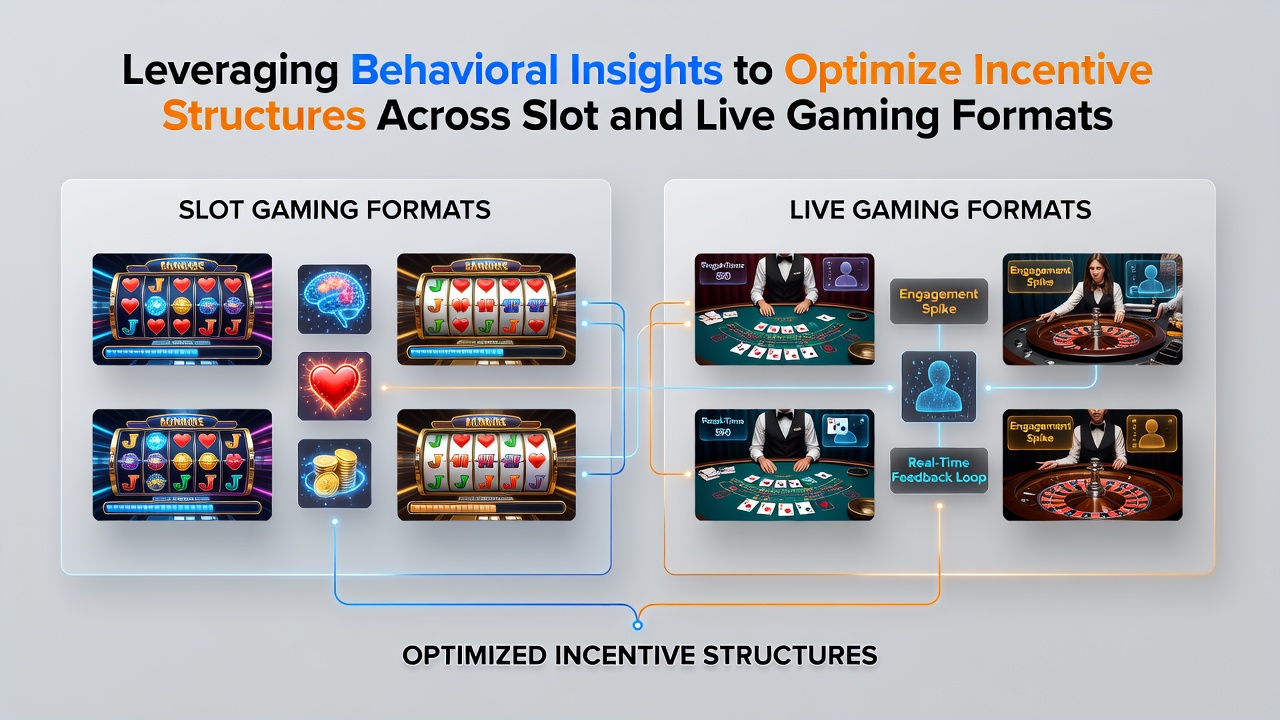
Live dealer formats leverage different levers because real-time interaction amplifies peer comparison and authority bias, so casinos deploy targeted comps such as priority seating or dealer tip credits that activate during peak hours. Data collected across multiple European markets shows these nudges extend average table time by 22 minutes when framed as exclusive opportunities rather than standard rewards, and the effect compounds when operators link live incentives back to slot play through unified loyalty wallets that transfer progress between formats without resetting counters.
Cross-Format Integration Techniques
Unified player tracking systems now feed behavioral models that adjust incentive timing across both verticals simultaneously, for instance surfacing slot bonus buy offers immediately after a live blackjack session ends or triggering live table invites following extended slot streaks. Industry analyses from the Canadian Centre on Substance Use and Addiction indicate such sequenced interventions reduce churn by aligning with players' demonstrated preference for momentum preservation, and operators report the approach works best when messaging emphasizes continuity rather than separate promotions for each game type.
Measurement and Regulatory Context in October 2026
Tracking tools monitor uplift in handle per player after incentive changes, with A/B tests comparing control groups against those exposed to loss-framed messages such as "protect your streak" versus gain-framed alternatives. Regulatory updates effective October 2026 in several jurisdictions require clearer disclosure of incentive mechanics, prompting operators to refine language around wagering requirements and bonus expiration while preserving the psychological triggers that drive uptake. External audits confirm these disclosures do not diminish the behavioral impact when integrated into the same interface that delivers the offers.
Conclusion
Evidence from multiple regulatory and academic sources demonstrates that tailoring incentive structures to format-specific behavioral responses yields measurable gains in engagement metrics, and operators continue refining these models through ongoing data collection that respects jurisdictional disclosure standards. The result is a more precise alignment between player psychology and promotional delivery across slots and live gaming environments.