15 Jun 2026
Interface Ergonomics Shaping Reward Access Patterns in Digital Reel Ecosystems

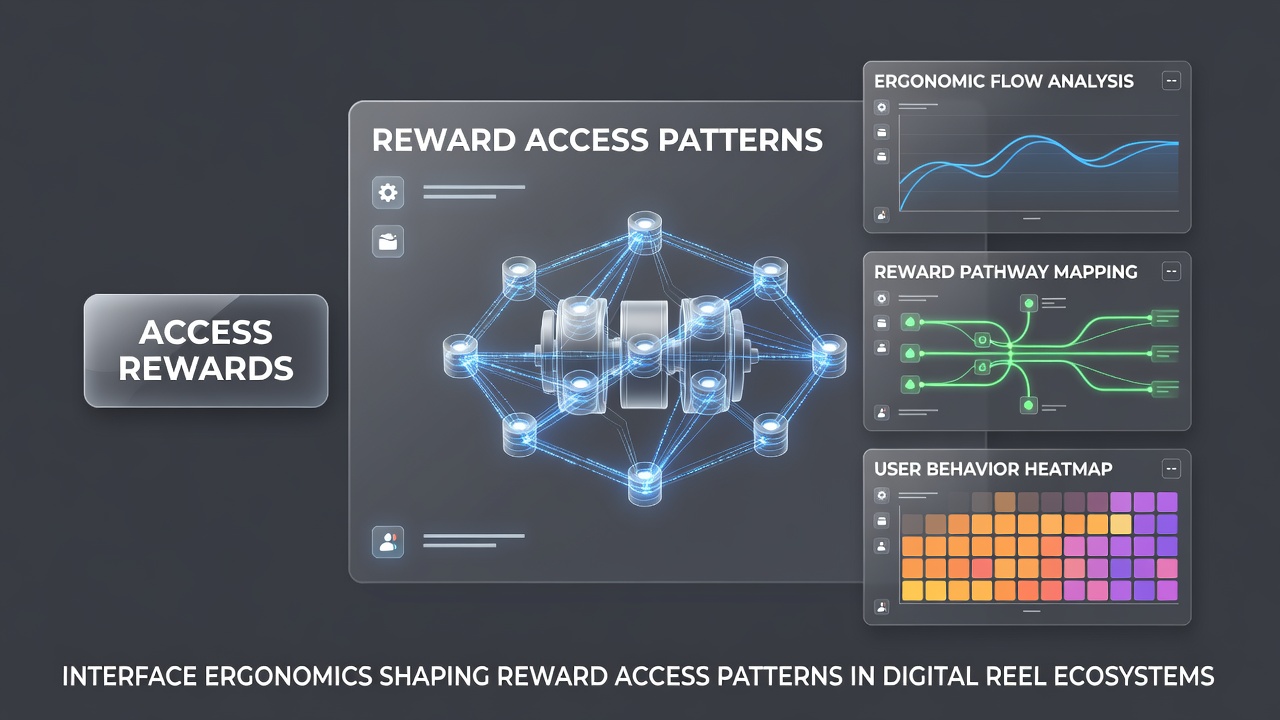
Digital reel ecosystems rely on interface ergonomics to determine how players locate and activate reward pathways, and studies from gaming research institutions track these interactions through heat mapping and session analytics. Button size, menu depth, and visual hierarchy directly influence the speed at which users reach bonus indicators or progressive features, while touch-target spacing reduces mis-taps that otherwise interrupt reward sequences. Data from multiple operator platforms shows that centralized reward panels cut navigation steps by up to thirty percent compared with side-drawer designs, which leads to higher activation rates during the same play duration.
Touch Target Placement and Reward Visibility
Ergonomic principles applied to mobile reel interfaces place primary spin controls within the lower third of the screen, where thumb reach remains comfortable during extended sessions, and this layout correlates with faster access to overlay reward notifications. Researchers at the University of Nevada Reno documented that interfaces positioning free-spin counters above the reels, rather than in collapsible menus, produced shorter intervals between symbol stops and bonus claims. Color contrast ratios above 4.5:1 for reward badges further guide attention without requiring extra taps, and operators adopting these standards recorded measurable increases in daily reward redemptions across both portrait and landscape orientations.
Menu Architecture and Progressive Feature Pathways
Hierarchical menu structures shape access patterns by limiting the number of screens needed to reach jackpot meters or layered promotions, and platforms that flatten navigation to two levels report reduced drop-off before reward engagement. Observers tracking user flows note that persistent progress bars along the screen edge maintain visibility of remaining requirements, which sustains momentum toward unlocking additional reel modifiers. In June 2026 several European operators introduced gesture-based shortcuts for reward history, and early metrics indicate these changes shortened the average time from spin completion to bonus selection by nearly twenty seconds per session.
Adaptive Interfaces and Regional Regulatory Influences
Adaptive scaling adjusts element sizes according to device dimensions, ensuring that reward access remains consistent whether players use compact phones or larger tablets, and this consistency supports stable engagement metrics across hardware types. Reports from the New Jersey Division of Gaming Enforcement highlight how standardized spacing guidelines reduce accidental activations that previously blocked reward sequences, while similar frameworks in Australian state licensing emphasize clear visual separation between spin and collect functions. Those implementations demonstrate that ergonomic consistency across jurisdictions produces comparable reward access improvements regardless of local market size.
Data Patterns from Session Analytics
Analytics platforms record that players interacting with high-contrast reward callouts complete bonus rounds more frequently within the first five minutes of a session, and this timing aligns with peak attention windows identified in controlled lab studies. Heat maps reveal concentrated interaction zones around centrally aligned notification banners, whereas peripheral placements generate scattered clicks and longer decision times. Industry organizations such as the American Gaming Association compile these findings into annual interface performance summaries, allowing operators to benchmark their own reward pathway efficiency against aggregated regional data.
Conclusion
Interface ergonomics continue to define reward access efficiency in digital reel ecosystems through measurable adjustments in layout, contrast, and navigation depth. Operators applying these design principles achieve faster pathways to bonuses and progressive features, while regulatory bodies and research groups supply comparative data that guides further refinements. The patterns emerging from session analytics and regional reports indicate that ergonomic choices directly shape how frequently and how quickly players engage with available rewards across evolving mobile platforms.