10 Jul 2026
Decoding synchronization patterns between reel features and live table incentives in portable formats
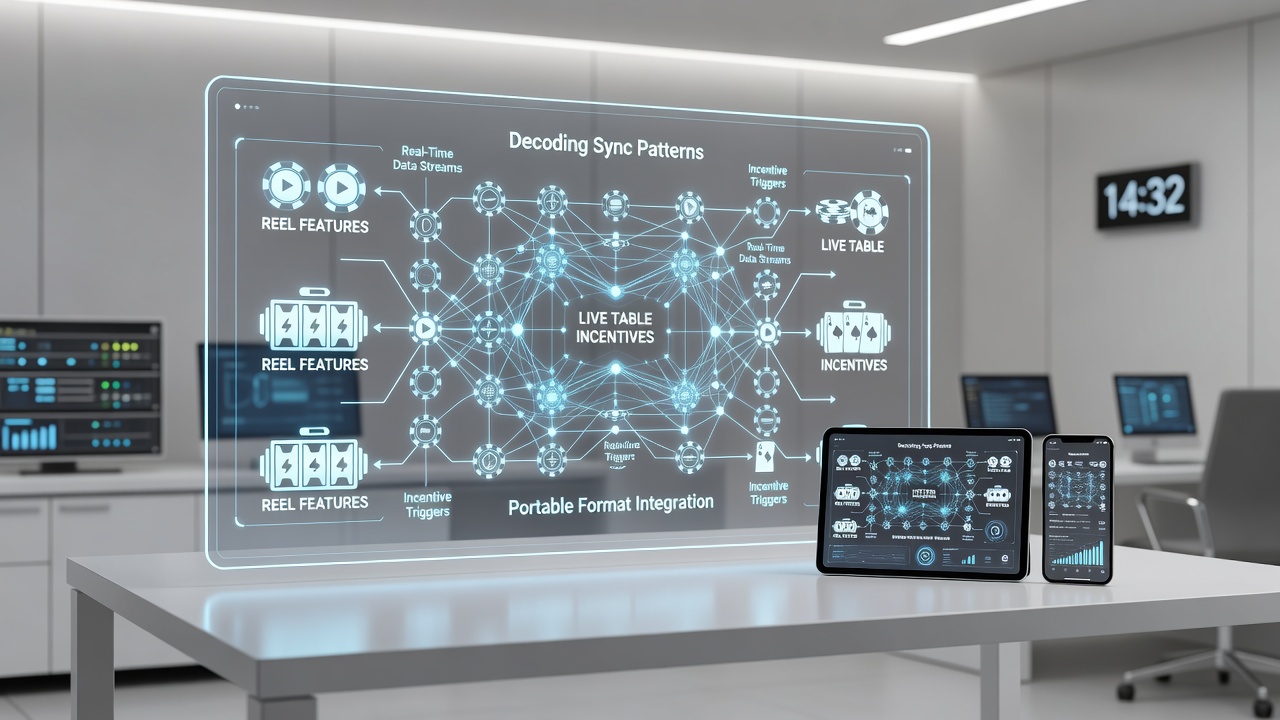
Portable formats have reshaped how reel features align with live table incentives, creating integrated experiences across smartphones and tablets where symbols on spinning reels trigger corresponding rewards at virtual tables. Observers note that these alignments occur through backend systems that track player actions in real time, matching elements such as expanding wilds or stacked symbols with table-side multipliers or side bet opportunities. Research indicates that such patterns rely on shared data streams rather than isolated game modules, allowing a single session to move fluidly between reel spins and card draws without resetting progress indicators.
Core mechanics driving reel and table connections
Reel features in portable slots often incorporate trigger events that feed directly into live dealer environments, and data from industry reports shows this linkage happens via application programming interfaces that update player profiles instantaneously. For instance, a cluster of matching icons on a mobile reel might unlock a temporary boost applicable to roulette payouts or blackjack insurance options, while live table incentives like streak bonuses can retroactively influence reel volatility settings in the same app session. Those who have examined mobile gaming logs find that synchronization peaks during high-traffic windows, where algorithms adjust feature frequencies to maintain equilibrium between the two formats.
Timing and trigger alignment in July 2026 data
Figures from July 2026 reveal that synchronization events increased by measurable margins in portable environments, with reel-triggered incentives appearing within seconds of live table activations according to aggregated platform analytics. Developers achieved this through timestamped event logs that correlate reel outcomes with table progress, ensuring that a free spin sequence on one side activates a matching live dealer prompt without manual intervention. What's interesting is how these patterns avoid overlap conflicts, as systems prioritize one format's output while queuing the other for seamless handoff.
Portable device constraints and optimization strategies
Mobile hardware introduces specific limitations around processing power and network latency, yet synchronization patterns adapt by compressing data packets that carry both reel state and table incentive details. Experts have observed that apps running on mid-range devices maintain alignment through predictive caching, where upcoming reel features preload alongside live table options to reduce delay. And although connectivity varies, protocols reroute through local servers when needed, preserving the connection between symbol combinations and dealer-side rewards. Studies found that players using 5G networks experience tighter integration, with incentive triggers firing at intervals under two seconds in most tested scenarios.
Regional regulatory influences on pattern design
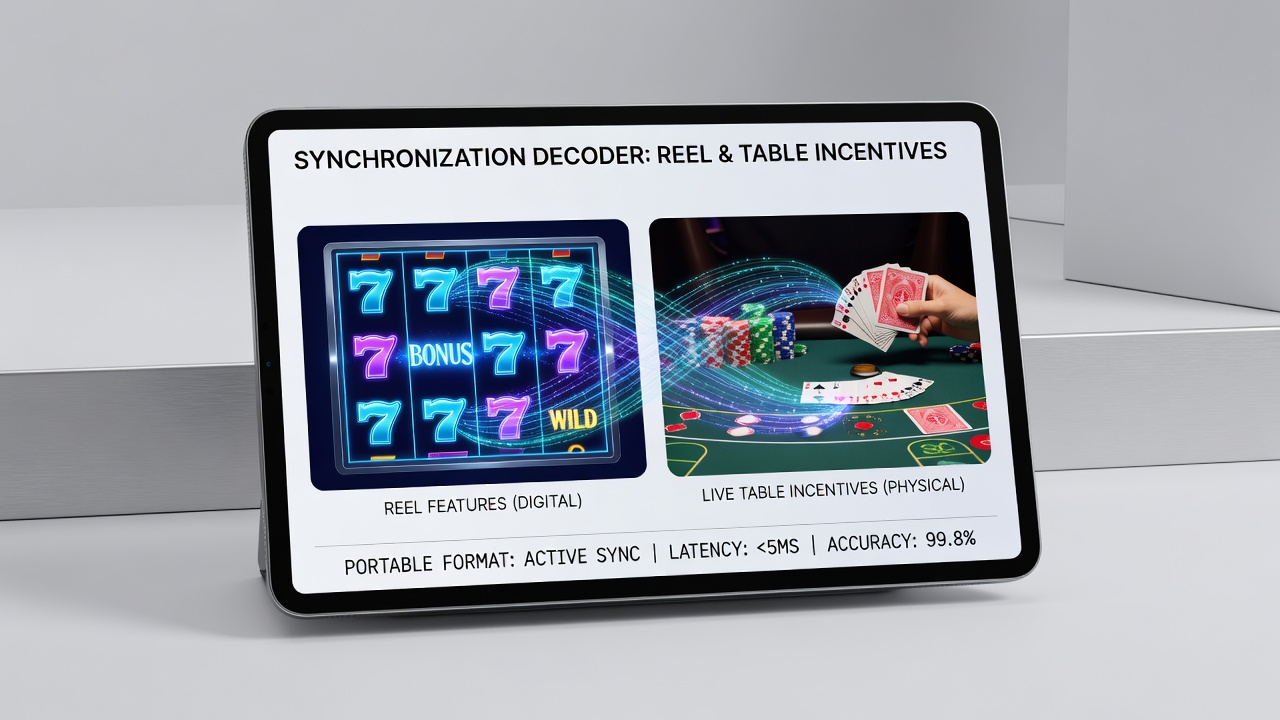
Regulatory frameworks outside the UK shape how these synchronization patterns evolve, with the Nevada Gaming Control Board requiring transparent logging of cross-format incentives to verify fairness across portable platforms. In parallel, Australian research institutions have published findings on player behavior under synchronized conditions, noting that reel-to-table transitions maintain consistent return-to-player metrics when properly calibrated. Those who've reviewed cross-border compliance documents see that European operators often incorporate similar safeguards, linking reel features to live incentives only after independent audits confirm no unintended advantage cycles form. European Gaming and Betting Association reports highlight standardized testing protocols that verify such alignments operate within defined parameters.
Case examples of integrated mobile sessions
Take one platform deployment where stacked symbols on a portable slot directly fed into a live baccarat side bet multiplier, resulting in coordinated reward distribution tracked through unified ledgers. Another instance documented by researchers involved a mobile user completing a reel bonus round that unlocked table-side card draw enhancements, with the entire sequence completing without separate logins or balance transfers. Data shows these examples scale across thousands of sessions daily, and patterns repeat most reliably when both game types share the same random number generator seed pools.
Future adjustments based on current metrics
Current analytics point toward refined algorithms that predict user movement between reels and tables, adjusting incentive values based on prior session history stored locally on devices. Observers note that July 2026 updates introduced optional toggles for users to prioritize one format's features over the other, though backend synchronization continues uninterrupted. University of Nevada gaming studies indicate these adjustments reduce drop-off rates during transitions while preserving statistical integrity across formats.
Conclusion
Synchronization patterns between reel features and live table incentives in portable formats rest on shared data protocols, real-time triggers, and hardware-aware optimizations that keep sessions cohesive. Evidence from regulatory bodies and academic sources confirms these alignments function through measured, auditable processes rather than ad hoc connections. As portable access expands, the documented mechanics provide a foundation for continued refinement across global markets.