14 Aug 2026
Decoding Loyalty Tier Advancements on Transaction Efficiencies Within App-Centric Wagering Platforms
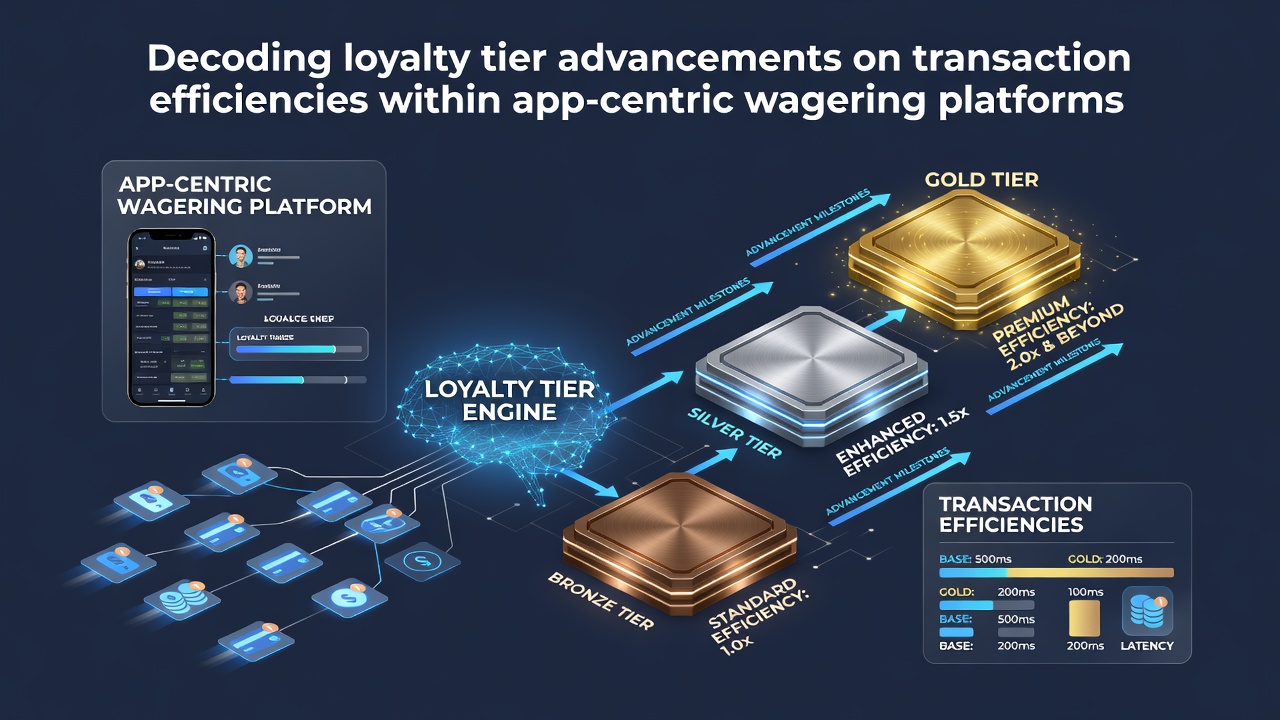
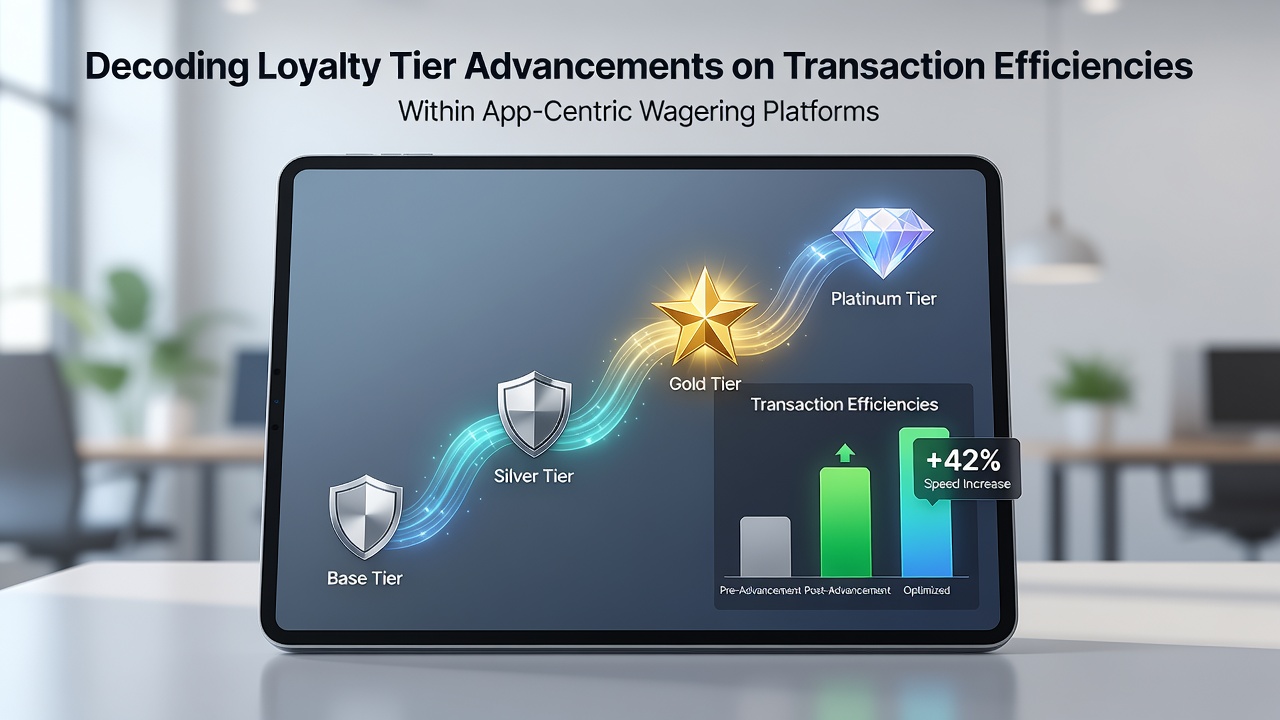
App-centric wagering platforms have integrated loyalty tier systems that directly influence how deposits and withdrawals process across mobile interfaces, with higher tiers often unlocking reduced processing times and adjusted fee structures according to platform operators. Data from multiple operators shows these advancements stem from backend integrations between user activity tracking and payment gateways, allowing automated adjustments once players reach specific thresholds.
Loyalty Tier Structures and Their Technical Foundations
Most platforms organize tiers into progressive levels based on cumulative wagering volume or deposit frequency, with each advancement triggering changes in transaction handling protocols. Researchers at industry analytics firms note that entry-level tiers typically maintain standard processing windows of 24 to 48 hours for withdrawals, whereas mid and upper tiers receive priority routing through dedicated channels. These shifts occur because platforms allocate server resources and partner bank connections differently once algorithms flag a user's tier status.
Transaction efficiencies improve through several mechanisms tied to tier status, including instant deposit confirmations for verified higher-tier accounts and expedited withdrawal reviews that bypass initial manual checks. Observers note that API connections between the wagering app and payment processors update in real time, pulling loyalty data to apply rules without additional user input. This setup reduces error rates in fund movements because automated verification replaces repetitive security steps for established users.
Effects on Deposit and Withdrawal Flows
Deposit processes benefit from tier advancements when platforms enable higher daily limits and faster settlement speeds for players who maintain consistent activity. Payment method integrations, such as e-wallets and bank transfers, often receive tier-based priority flags that accelerate authorization steps during peak hours. Studies from transaction monitoring services indicate that platforms see a measurable drop in failed deposit attempts among higher-tier users because pre-approved profiles encounter fewer friction points at the gateway level.
Withdrawals represent the area where loyalty tier effects appear most pronounced, with upper-tier accounts experiencing shortened review periods and access to specialized payout queues. According to reports compiled by the Responsible Gambling Council in Canada, tiered systems correlate with faster fund release cycles once players surpass defined activity benchmarks. These efficiencies arise from pre-vetted account statuses that limit the scope of compliance checks required before funds move.
Regional Patterns and Platform Adaptations Observed in 2026
By August 2026, several operators had rolled out enhanced tier frameworks that incorporated machine learning models to predict transaction volumes and pre-allocate processing capacity. These updates emerged in response to growing mobile user bases across North America and parts of Europe, where app downloads continued to rise steadily. Platforms adjusted their loyalty parameters to handle increased transaction loads without proportional increases in processing delays.
European operators, drawing from frameworks established by the Malta Gaming Authority, implemented tier-linked efficiencies that align with cross-border payment regulations, allowing smoother multi-currency handling for qualified users. In contrast, Australian platforms focused on tier benefits that emphasize instant withdrawal options for higher levels, supported by local banking partnerships. Data compiled by academic groups at the University of Sydney shows these adaptations reduced average payout times by measurable margins for tiered accounts compared with baseline users.
Security and Compliance Integration Within Tier Systems
Advanced tiers incorporate layered security protocols that maintain efficiency while satisfying regulatory demands, such as automated identity verification refreshes that occur less frequently for long-standing users. This balance prevents bottlenecks because the system recognizes patterns from prior transactions and applies lighter scrutiny accordingly. Industry organizations like the American Gaming Association have documented how such integrations support compliance without sacrificing speed in app environments.
Transaction logging also evolves with tier status, as platforms store more detailed histories for higher-level accounts to facilitate quicker audits when needed. The result appears in reduced support ticket volumes related to payment delays, since many issues resolve automatically through tier-based rules. Those who track platform performance metrics report that these changes create more predictable experiences for users who progress through the tiers over time.
Conclusion
Loyalty tier advancements continue to reshape transaction efficiencies in app-centric wagering platforms by linking user status directly to processing priorities and resource allocation. The patterns observed through 2026 highlight how backend systems and regulatory alignments work together to deliver measurable improvements in deposit and withdrawal handling. Continued development in these areas depends on ongoing refinements to the algorithms that connect loyalty data with payment workflows across different regions and operator models.