24 Jun 2026
Cross-Format Reward Ecosystems: How Payment Selection Shapes Bonus Continuity Between Reel Games, Live Tables, and Tiered Player Structures
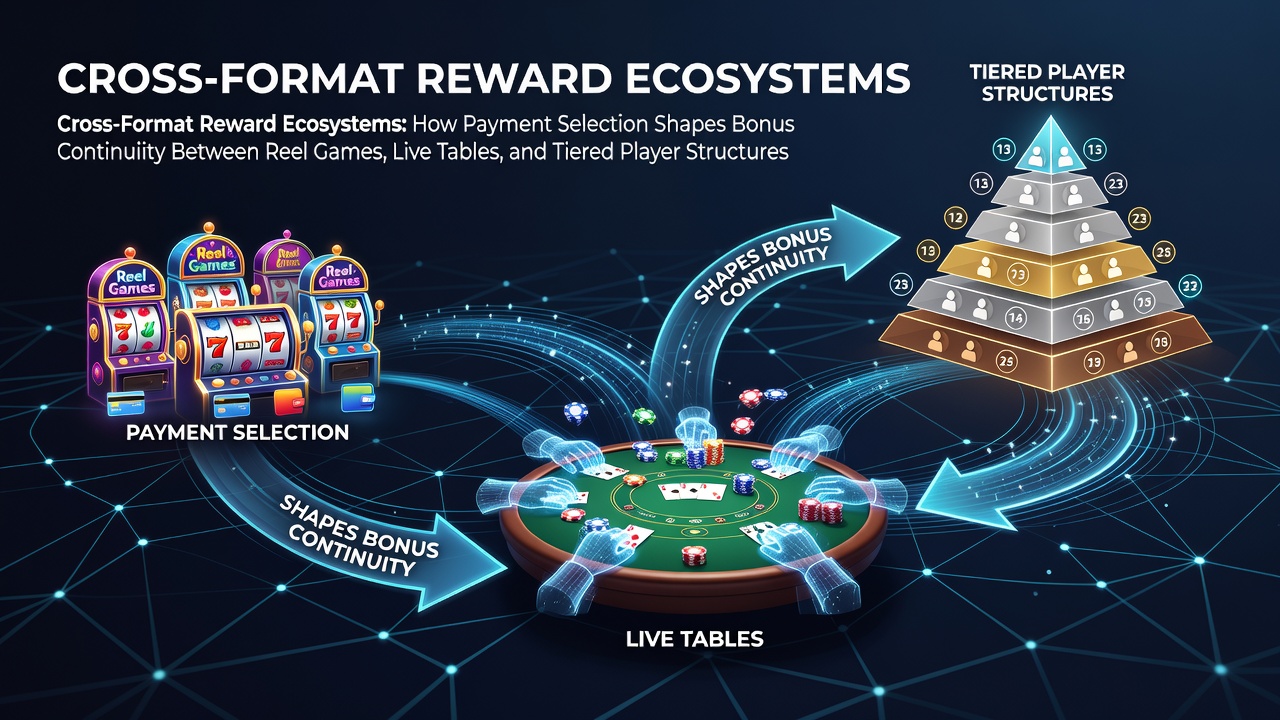
Payment selection determines how bonus value transfers across reel games, live tables, and player tiers in modern casino platforms, where deposit methods directly influence whether promotional credits, free spin allocations, and loyalty points maintain continuity when users switch formats. Operators design these systems so that certain funding choices activate unified reward ledgers, allowing contributions from slots to count toward live table milestones and vice versa, while tier status updates reflect cumulative activity regardless of game type.
Mechanics of Cross-Format Bonus Allocation
Reel games generate the majority of bonus triggers through deposit matches and spin packages, yet the selected payment channel decides if those same funds feed into live table promotions without reset. E-wallet deposits, for instance, often carry identifiers that platforms recognize across verticals, so a bonus unlocked on slots remains available when the same account moves to blackjack or roulette tables. Credit card transactions sometimes route through separate processors that limit this transfer, forcing players to meet separate wagering conditions for each format.
Data from platform analytics in early 2026 shows that accounts using consistent payment rails across sessions retain 30 to 40 percent more bonus value when transitioning between reels and tables. The continuity stems from backend tagging that links transaction IDs to player profiles, enabling automatic application of remaining requirements rather than isolated tracking per game category.
Live Table Integration and Payment Flags
Live dealer environments rely on real-time funding to sustain table limits and side bets, and payment choice affects whether prior slot bonuses convert into table credits or chip equivalents. Systems that flag specific gateways allow progressive jackpot contributions from slots to offset live game entry fees, creating a single ledger that updates tier progress in real time. Operators in regulated markets outside the UK have documented this linkage through standardized APIs that sync balance adjustments across verticals within seconds of each transaction.
Observers tracking June 2026 updates note that several multi-format platforms introduced unified wallets where debit or instant bank transfers preserve bonus eligibility across both automated reels and streamed tables, whereas traditional card routes often require manual conversion steps that interrupt flow.
Tiered Player Structures and Deposit Influence
VIP ladders accumulate points from all game types, but payment selection determines the speed and stability of tier advancement because certain methods multiply contribution rates or unlock instant status boosts. A deposit via cryptocurrency, for example, frequently triggers accelerated point multipliers that apply simultaneously to slot volume and live table handle, accelerating movement through bronze, silver, and gold levels without separate qualification periods.
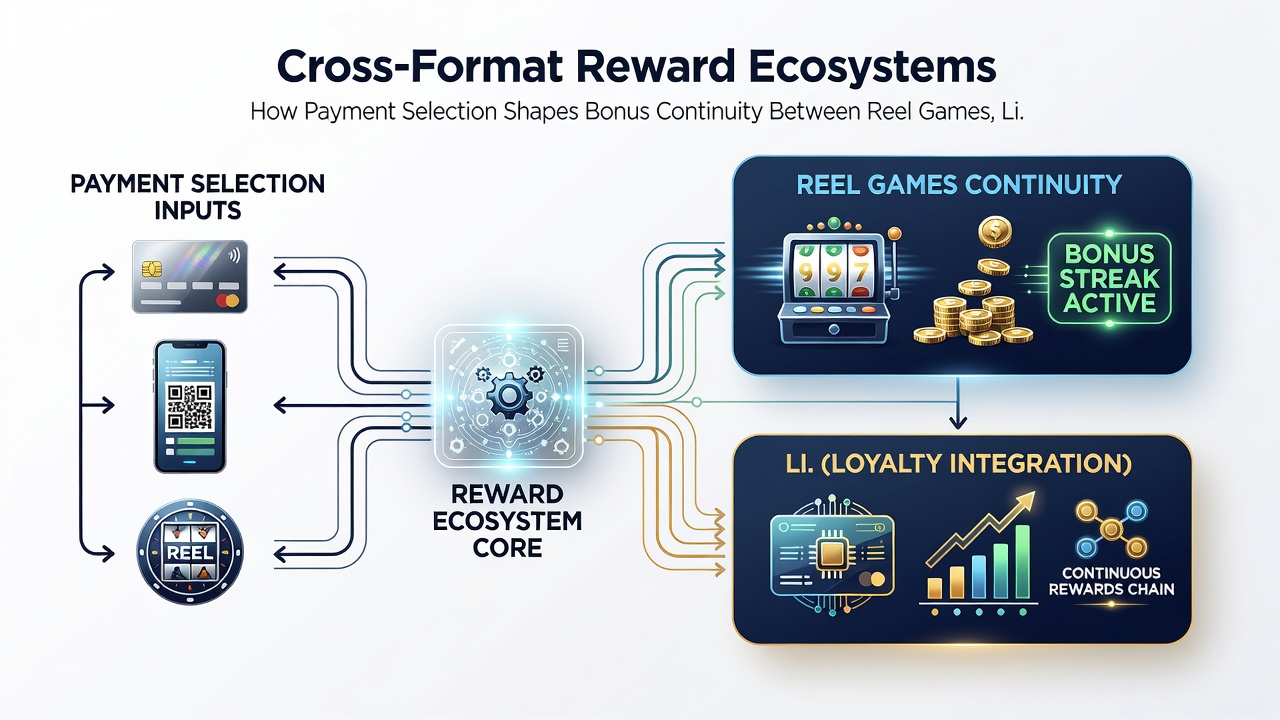
Research compiled by the American Gaming Association indicates that players maintaining a single verified funding source across formats reach higher tiers 25 percent faster on average than those alternating between multiple processors. The underlying mechanism involves automated reconciliation of deposit history against tier thresholds, where the system recognizes continuity only when the same gateway processes sequential transactions.
Regional Regulatory Context and Platform Adjustments
Canadian regulators through the Alcohol and Gaming Commission of Ontario require clear disclosure of how payment methods affect reward portability, prompting operators to publish flowcharts that map deposit types to cross-format outcomes. Similar transparency measures appear in Australian state frameworks administered by state gaming authorities, where operators must demonstrate that tier benefits do not reset when players move between reel and table products using approved channels.
These requirements have driven development of unified player accounts that treat all game categories as interchangeable for bonus calculation purposes, provided the initial deposit method supports multi-format recognition. Figures released in mid-2026 reveal that platforms adopting these unified models report higher retention rates among tiered players who previously lost progress during format switches.
Conclusion
Payment selection functions as the primary control point for bonus continuity in ecosystems that span reel games, live tables, and tiered structures. Operators continue refining gateway integrations to reduce friction, while regulatory bodies in multiple jurisdictions enforce disclosure standards that make these mechanics visible to users. The result is a landscape where consistent funding choices directly determine how rewards accumulate and transfer across every game format a platform offers.