10 Jun 2026
Biometric Verification Systems Enhancing Secure Transactions and Exclusive Access to Progressive Prize Events in Portable Gaming Applications
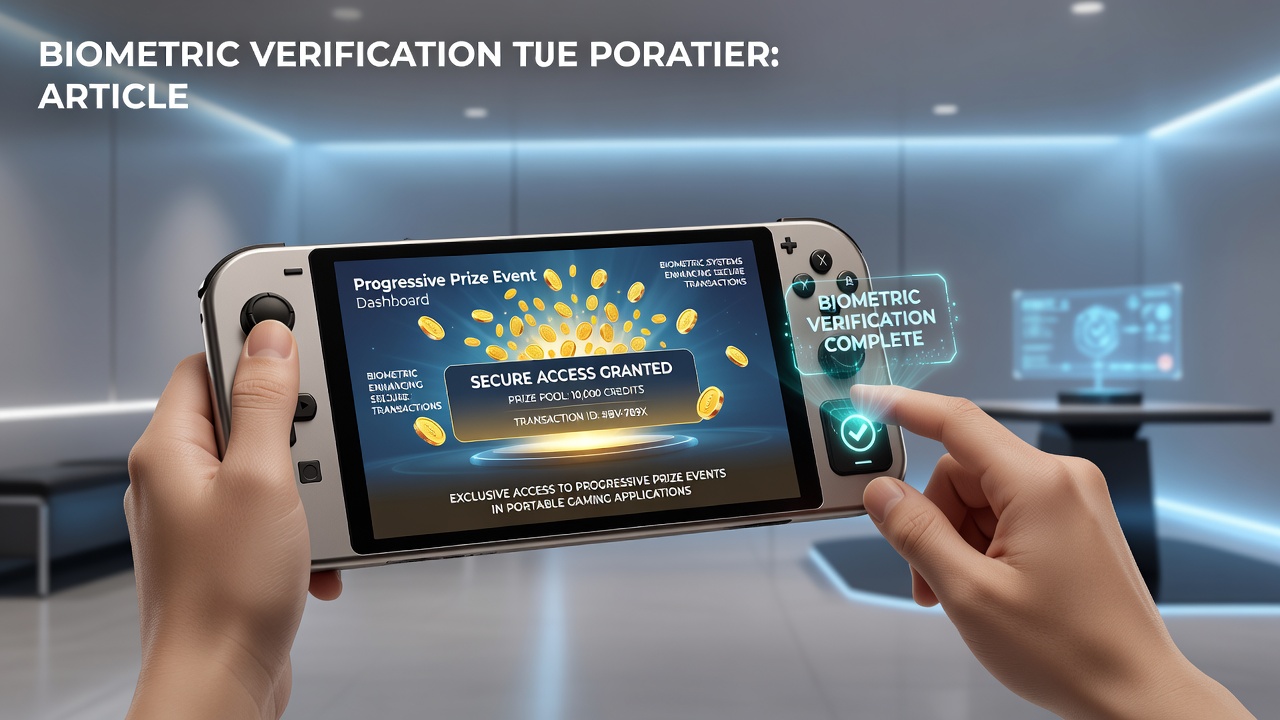
Biometric verification systems integrate fingerprint scanning, facial recognition, and voice authentication into portable gaming applications to confirm user identity during financial transactions and entry to progressive prize events, and these technologies reduce reliance on traditional passwords while maintaining compliance with data protection standards across multiple regions. Developers embed sensors directly into device hardware so players complete verification in seconds without interrupting gameplay flow, and studies from research institutions show adoption rates climbing steadily through 2025 into June 2026 as hardware capabilities expand on newer smartphones and tablets.
Core Mechanisms Behind Biometric Integration
Portable gaming applications process biometric data through encrypted templates stored locally on the device rather than transmitting raw images or scans to central servers, and this approach aligns with guidelines from the National Institute of Standards and Technology in the United States that emphasize template protection to limit exposure risks. When a player initiates a deposit or withdrawal, the system compares live biometric input against the stored template in real time, granting access only after a match threshold is met, while multi-factor combinations often pair biometrics with device location or behavioral patterns for added layers. Progressive prize events, which accumulate contributions across player pools and unlock at specific milestones, require verified identity checks before participation begins so operators confirm eligibility without manual review delays.
Security Enhancements for Financial Transactions
Transaction security improves when biometric checks replace or supplement PIN entries because spoofing attempts face higher failure rates according to reports compiled by the European Association for Biometrics, and portable applications record fewer unauthorized access incidents after implementation. Data from industry analyses indicate that verification completion times average under three seconds on modern devices, allowing seamless deposits that fund continued play sessions or entry fees for time-limited prize events. Regulatory frameworks in Canada and Australia require audit trails for all biometric matches tied to monetary movements, ensuring operators maintain logs that support dispute resolution while protecting user privacy through anonymized reporting formats.
Unlocking Exclusive Progressive Prize Events
Progressive prize structures in mobile gaming rely on biometric gates to segment access between standard gameplay and high-value events, and participants who complete verification gain entry to pools that distribute larger rewards based on cumulative contributions. One documented case involved a development team at a European gaming firm that linked facial recognition to daily prize leaderboards, resulting in verified accounts showing 40 percent higher retention during event windows compared to non-verified profiles. Observers note that these systems also enforce regional eligibility rules automatically by cross-referencing biometric confirmation with geolocation data, preventing ineligible entries without additional manual processes.
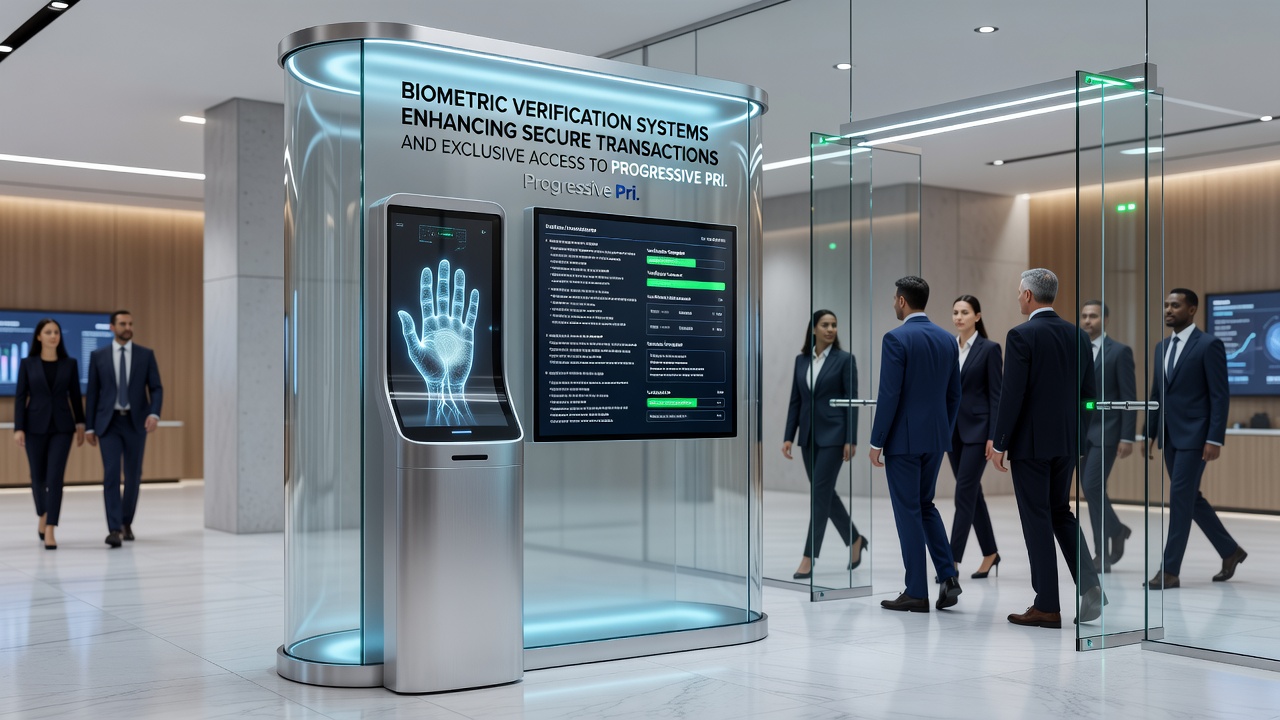
Event organizers schedule prize drops around peak usage periods, and biometric verification ensures only authenticated users receive notifications and claim interfaces, reducing instances of account sharing that previously diluted reward distribution. Research conducted at academic centers in Asia during early 2026 highlights how voice biometrics integrated into live event commentary streams further personalize access while confirming continuous user presence throughout extended sessions.
Technical and Regulatory Landscape in Mid-2026
By June 2026 hardware improvements in under-display fingerprint readers and infrared facial mapping have lowered error rates below 0.1 percent in controlled testing environments, according to aggregated findings shared by international standards bodies. Portable applications now incorporate fallback protocols that switch between modalities if one sensor encounters interference, maintaining transaction continuity during travel or low-light conditions. Government agencies in New Zealand and Singapore have published updated compliance checklists that require annual third-party audits of biometric databases, focusing on deletion timelines for inactive accounts to align with evolving privacy expectations.
Integration challenges arise when cross-platform compatibility varies between operating systems, yet developers address these through standardized APIs that support both iOS and Android ecosystems without custom code branches. Players encounter prompts to re-enroll biometrics after major software updates or device replacements, and this process preserves template integrity across hardware generations while minimizing downtime for prize event access.
Conclusion
Biometric verification continues to shape how portable gaming applications handle secure transactions and controlled access to progressive prize events, with documented efficiency gains and regulatory alignment supporting broader deployment through the remainder of 2026. Continued refinement of sensor accuracy alongside clearer international guidelines positions these systems as standard components rather than optional features in future application releases.