26 Aug 2026
Adaptive Reward Algorithms: How Player Behavior Data Shapes Bonus Structures in Cross-Platform Gaming Experiences
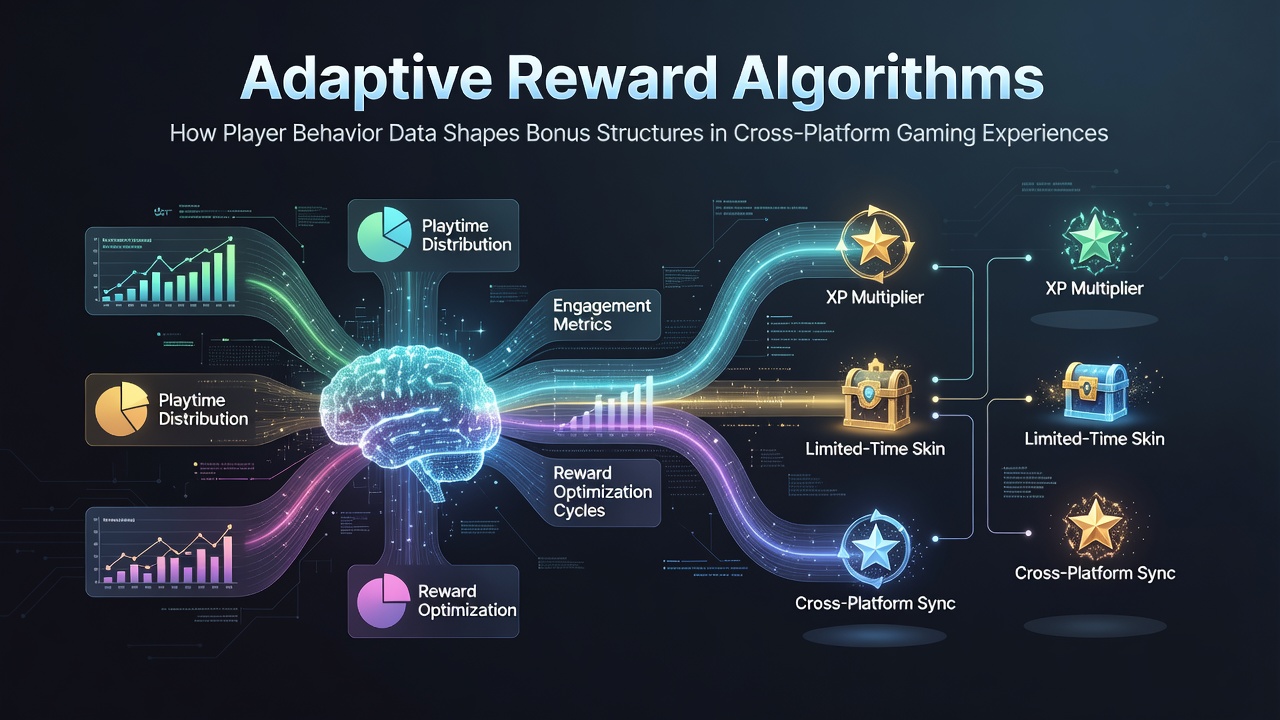
Adaptive reward algorithms analyze player behavior data across devices to adjust bonus structures in real time, and this process has become central to how gaming platforms maintain engagement while operating under varying regulatory frameworks. Systems collect metrics such as session length, spend patterns, and navigation habits from consoles, mobile apps, and web browsers, then feed those inputs into models that recalibrate reward frequency and value.
Data Collection Across Devices
Platforms gather telemetry from multiple endpoints simultaneously, which means a player's activity on a smartphone during commuting hours influences the offers presented later on a home gaming console. Researchers at institutions including the University of California, Irvine have documented how unified player profiles merge location, device type, and time-of-day data to predict optimal reward moments. These profiles update continuously, allowing algorithms to detect shifts in behavior such as increased play during evening hours or reduced activity after large reward redemptions.
Cross-platform consistency requires standardized data schemas, and industry groups like the Entertainment Software Association have outlined technical standards that facilitate secure data exchange between operators without exposing personal identifiers. In August 2026 several major studios reported expanded use of federated learning techniques that keep raw data on user devices while still training global models on aggregated patterns.
Algorithm Mechanics and Bonus Adjustments
Core models rely on reinforcement learning frameworks that treat each bonus allocation as an action and subsequent player retention as a reward signal. When data shows elevated churn risk after a losing streak, the system increases the probability of small, immediate bonuses rather than waiting for larger milestone events. This adjustment happens within seconds on connected platforms, and the same logic scales down offers when engagement metrics remain high without additional incentives.
Variable reward sizing draws from historical cohort analysis; players grouped by similar spend velocity receive tailored structures that differ from those offered to low-frequency participants. Observers note that these differentiated structures appear most visibly in live-service titles where daily login streaks, event participation, and social features generate the primary data streams.
Cross-Platform Synchronization in Practice
One documented implementation involves a popular battle-royale franchise that syncs reward eligibility between its mobile and console versions through a shared backend. When a player completes a weekly challenge on a tablet, the algorithm registers the action and unlocks a corresponding bonus tier on the console version within the same account session. This synchronization reduces friction and maintains perceived fairness across hardware generations.
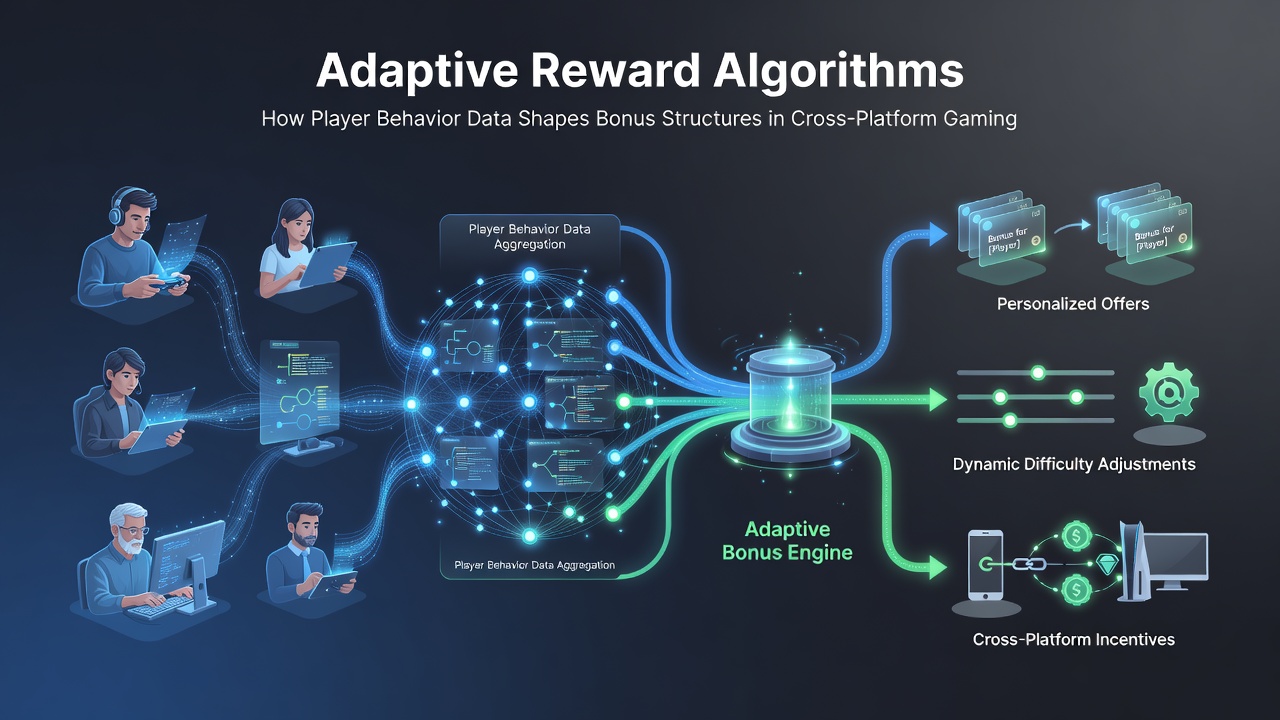
European regulators have examined these systems through the lens of consumer protection, with the Malta Gaming Authority publishing guidance in early 2026 that requires transparent disclosure of how behavioral data influences reward eligibility. Operators responded by adding in-game notices that explain why certain bonuses appear at specific times, satisfying compliance while preserving algorithmic flexibility.
Regulatory and Technical Developments in 2026
By August 2026 several jurisdictions had introduced requirements for algorithmic audits, compelling operators to demonstrate that reward structures do not create unfair advantages for high-value accounts. Canadian provincial regulators in Ontario published a framework that mandates periodic third-party reviews of the models used to set bonus parameters, focusing on fairness metrics rather than specific code. These audits examine whether the algorithms inadvertently amplify spending among certain demographic segments identified through behavioral clustering.
Technical advances include edge computing nodes that process sensitive behavior signals locally before transmitting only anonymized aggregates to central servers. This architecture reduces latency for real-time bonus decisions while addressing data-protection concerns raised by international standards bodies.
Conclusion
Adaptive reward algorithms continue to evolve as data pipelines expand across devices and regulatory expectations become more defined. The interplay between player behavior signals and bonus calibration now determines much of the economic structure within cross-platform gaming environments, and ongoing technical and policy developments will shape how these systems operate in subsequent years.