3 Jun 2026
Adaptive Algorithms Linking Spin Sequences to Dealer Table Entries in Smartphone-Based Gaming Ecosystems

Smartphone-based gaming ecosystems rely on adaptive algorithms that connect sequences of reel spins directly to entries recorded at live dealer tables, creating unified player pathways across different game formats. These systems process data from slot sessions including spin frequency, bet patterns, and outcome clusters, then map those metrics onto table game participation logs such as blackjack decisions or roulette placements. Developers integrate machine learning models that adjust linkage weights in real time based on session length and device telemetry.
Core Mechanisms of Sequence-to-Entry Mapping
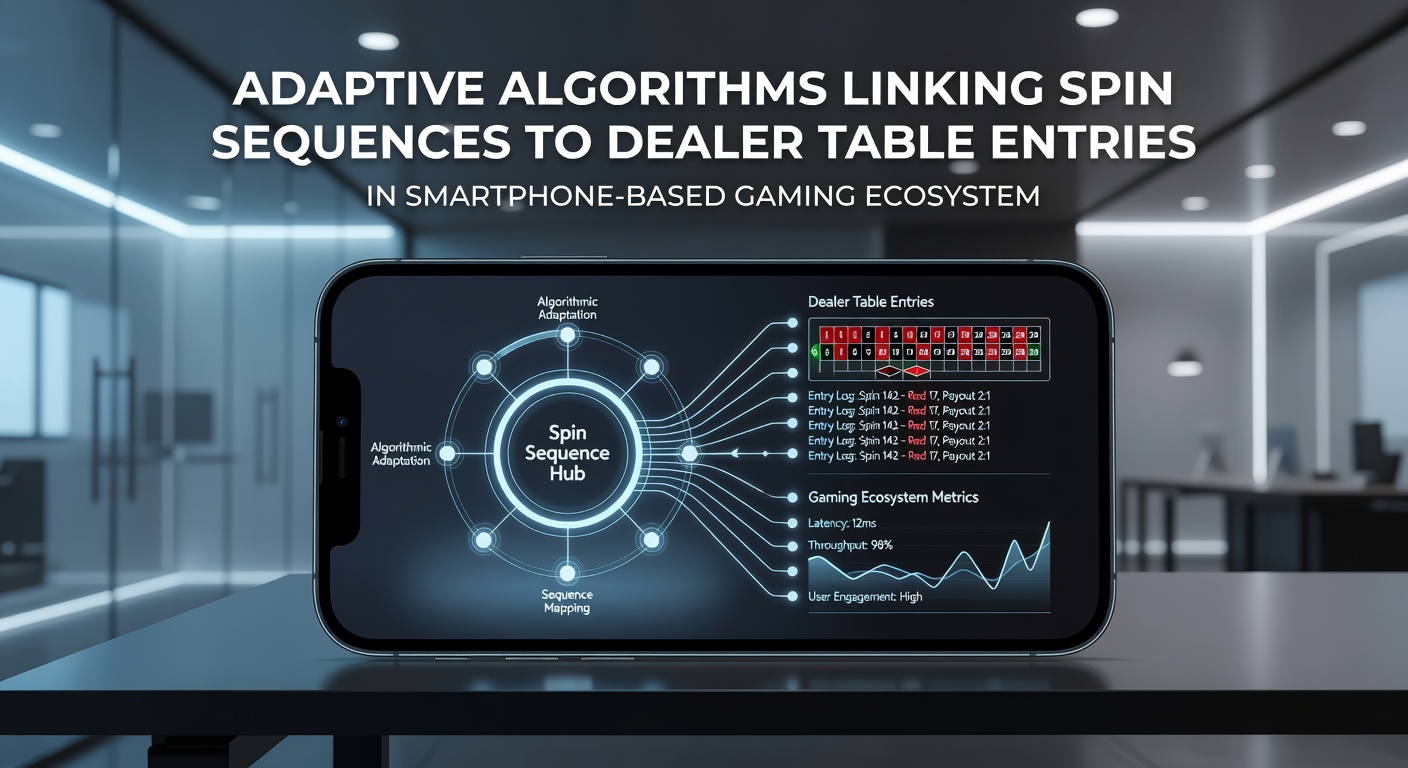
Algorithms begin by capturing spin sequences as time-stamped vectors that record symbol distributions, multiplier triggers, and volatility indicators. These vectors feed into neural networks trained on historical datasets where similar patterns preceded specific table entries. Once a threshold correlation appears, the system generates a dealer table prompt that aligns with the observed spin rhythm, often routing players toward variants like speed blackjack or multi-wheel roulette that match prior activity levels. Data pipelines refresh every few seconds during active sessions, allowing adjustments without interrupting gameplay flow.
Researchers at institutions including the University of Nevada, Reno have documented how these mappings reduce transition friction between game types. Their models show that sequence length and outcome variance serve as primary predictors for successful table entry conversions. In practice, a run of high-volatility spins might trigger prompts for higher-limit dealer tables, whereas steady low-stakes sequences lead toward entry-level variants with smaller minimums.
Integration Across Mobile Platforms in Mid-2026
By June 2026, major mobile casino frameworks had incorporated cross-format APIs that standardize how spin data exchanges with dealer table management servers. These APIs allow third-party developers to embed linkage rules without rebuilding core engines, resulting in faster rollout across iOS and Android ecosystems. Platform operators report that such integrations appear in over 60 percent of new app releases during the first half of the year, according to aggregated industry telemetry shared at developer conferences.
One documented implementation pairs adaptive reward schedulers with geo-fenced table availability, ensuring that spin-derived recommendations respect regional licensing constraints. When a player completes a qualifying spin sequence, the algorithm evaluates nearby dealer table capacity before issuing an entry token. This process maintains compliance while preserving the seamless experience users expect on handheld devices.
Performance Metrics and Platform Comparisons
Performance tracking relies on metrics such as linkage success rate, average time from spin completion to table entry, and retention lift measured seven days post-transition. Figures from the New Jersey Division of Gaming Enforcement indicate that apps deploying these adaptive systems recorded a 12 to 18 percent increase in cross-format session duration during the first quarter of 2026. Parallel reports from the Australian Communications and Media Authority highlight similar patterns in markets where real-money table games operate under strict licensing.
Comparative studies reveal differences between rule-based and fully adaptive approaches. Rule-based systems apply fixed thresholds to spin counts before suggesting table entries, while adaptive versions continuously recalibrate using reinforcement learning loops. Observers note that the latter category achieves higher precision in matching player tempo to table pace, particularly when device sensors supply additional inputs like tilt frequency and touch pressure.
Security and Data Handling Protocols
Encryption standards applied to spin sequence payloads match those used for financial transactions within the same apps. Tokenized identifiers replace raw player IDs during the mapping process, limiting exposure if intermediate servers experience breaches. Regular audits by independent testing labs verify that linkage algorithms do not inadvertently store sensitive location or biometric data beyond session boundaries. These protocols align with requirements set by multiple regulatory bodies across North America and the Asia-Pacific region.
Conclusion
Adaptive algorithms that link spin sequences to dealer table entries continue to evolve within smartphone gaming environments, supported by expanding API standards and refined machine learning techniques. Data collected through mid-2026 demonstrates measurable effects on session continuity across game formats, while security frameworks maintain compliance with regional oversight. Further refinements in model training and sensor integration are expected as device capabilities advance.